
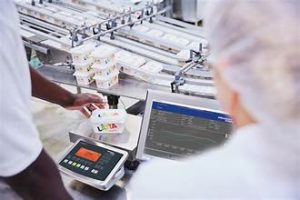
Even small weighing errors can create significant costs over time in food manufacturing facilities.
In food manufacturing, even small weighing errors can create significant costs over time. A scale that is only slightly inaccurate may lead to product giveaway, ingredient waste, customer complaints, and unnecessary downtime.
Because of this, maintaining accurate scales is essential for both product quality and profitability.
Product Giveaway Can Add Up Quickly
One of the most common hidden costs of inaccurate scales is product giveaway. Even small overfills multiplied across thousands of packages can become expensive.
In some facilities, overfilling products by just a few grams has resulted in annual losses exceeding $270,000 per production line. Other manufacturers have reported savings of more than $400,000 per year after improving weighing accuracy.
For larger operations, reducing overfill by even 1% can translate into hundreds of thousands—or even millions—of dollars in annual savings.
Ingredient Waste and Yield Loss
Accurate weighing is essential during batching and formulation.
When scales are inaccurate, facilities may experience:
- excessive ingredient usage
- inconsistent yields
- increased waste
- reduced production efficiency
Small errors can affect an entire production run.
Batch Inconsistencies and Rework
Inaccurate scales can also lead to inconsistent batches. Products that do not meet specifications may require additional testing, rework, or disposal.
As a result, manufacturers may experience:
- increased labor costs
- production delays
- additional material waste
- reduced productivity
Regulatory Concerns and Customer Complaints
Weight accuracy affects more than production costs. Underfilled or inconsistent products may result in:
- customer complaints
- rejected shipments
- labeling concerns
- regulatory issues
Maintaining accurate measurements helps protect both product quality and customer confidence.
Downtime Can Be Expensive
When weighing problems are discovered, production may need to stop while equipment is inspected or recalibrated.
Unexpected downtime can affect:
- schedules
- labor efficiency
- throughput
- customer deliveries
Preventing these interruptions is often far less expensive than correcting them.
Why Calibration Matters
Routine calibration helps ensure scales continue to perform accurately over time.
Regular calibration can help:
- reduce product giveaway
- improve consistency
- minimize waste
- support quality systems
- maintain confidence in measurements
For food manufacturers, accurate scales are not just about compliance; they are an important part of controlling costs.
Supporting Reliable Measurements in Food Production
The technicians at The Scale People provide professional calibration services for industrial weighing equipment used throughout food manufacturing operations.
For laboratories supporting food quality and testing, The Lab People also provide calibration services for laboratory equipment.
Maintaining properly calibrated equipment helps support consistent, reliable results throughout the production process. We will be happy to assist you.
Bringing It All Together
Small weighing errors can create surprisingly large costs in food manufacturing. Product giveaway, waste, rework, customer complaints, and downtime can all affect profitability.
By maintaining accurate scales through routine calibration, facilities can help improve efficiency, reduce waste, and support consistent product quality.